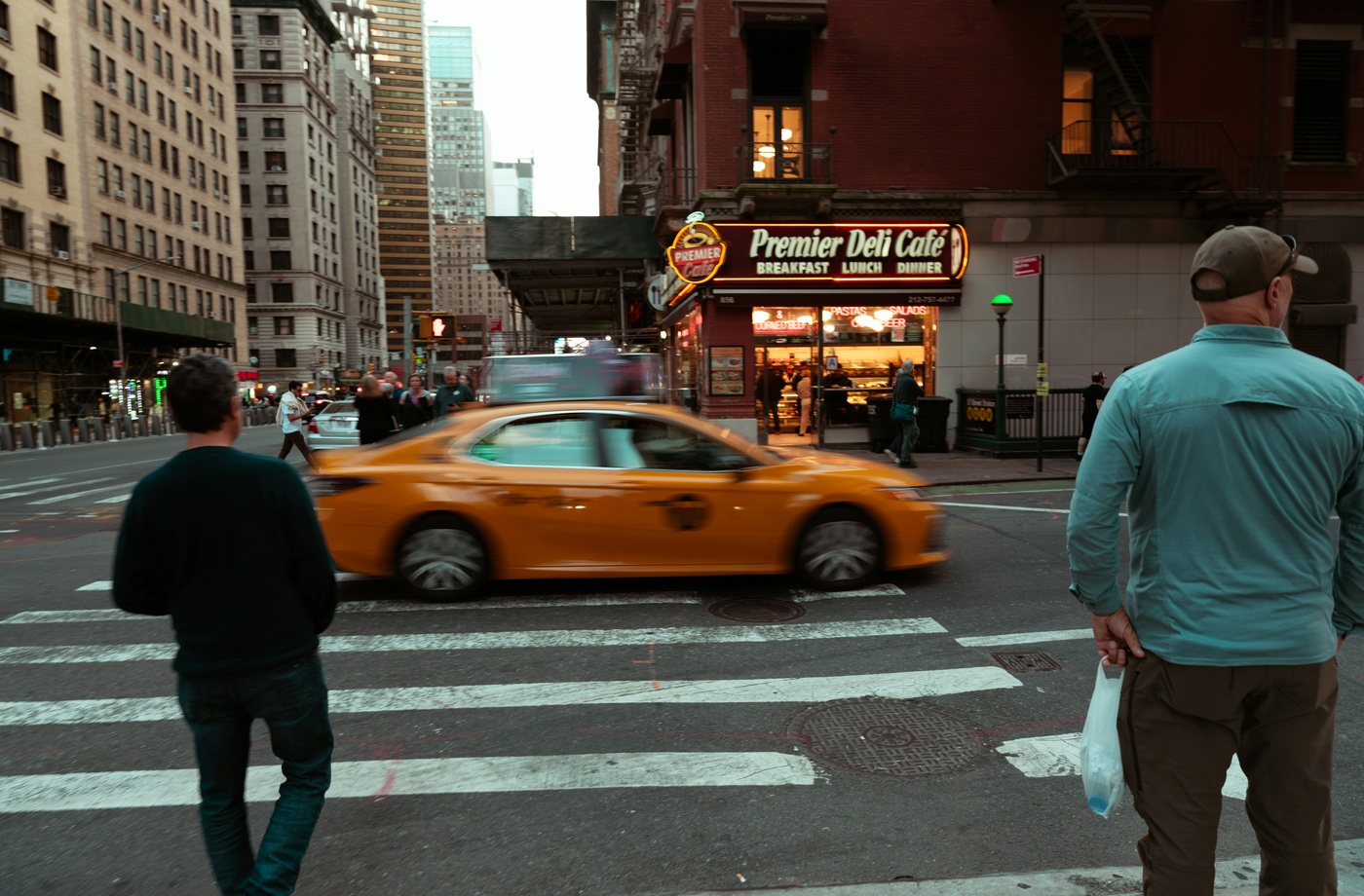
If you’ve ever opened a rideshare app during rush hour or after a concert and noticed the price has doubled, you’ve experienced surge pricing—a dynamic fare adjustment model designed to balance rider demand and driver availability. While it’s a standard feature for companies like Uber and Lyft, surge pricing can catch riders off guard, especially in busy urban areas.
Here’s how surge pricing works, why it happens, and smart ways to avoid paying inflated fares in major cities.
What Is Surge Pricing?
Surge pricing (also called dynamic pricing or prime time pricing) is an algorithm-based increase in ride fares during periods of high demand. This typically happens when:
- Rider requests exceed the number of available drivers
- Traffic congestion slows driver availability
- Events, weather conditions, or holidays increase travel volume
- A sudden spike in demand occurs in a concentrated area
Apps like Uber and Lyft display surge pricing through visual indicators (like heat maps or lightning bolt icons) and often provide fare multipliers (e.g., 1.5x or 2x normal rates).
When Does Surge Pricing Happen Most Often?
Expect surge pricing during:
- Weekday rush hours (7–9 a.m. and 4–7 p.m.)
- Weekends, especially Friday and Saturday nights
- During concerts, sporting events, and festivals
- Holidays like New Year’s Eve, Halloween, or major parades
- Rainy or snowy weather conditions
How to Check If You’re Being Surged
Before confirming a ride, the app will notify you of higher-than-normal pricing. Many platforms allow you to:
- View the fare breakdown before booking
- Compare different service tiers (e.g., UberX vs. Uber Comfort)
- Schedule your ride later when pricing drops
You can also use fare estimate tools like Lyft’s Fare Calculator or Uber’s Ride Estimator to get real-time pricing comparisons.
How to Avoid Surge Pricing
- Wait it out: Surge zones often last just 10–30 minutes. If you’re not in a rush, set a timer and check back later.
- Walk a few blocks away: Moving just outside a high-demand area can drop prices significantly. Try walking a few minutes to a less busy street or neighborhood.
- Schedule your ride in advance: Uber and Lyft allow you to schedule rides. This can help lock in a lower rate before a known busy period.
- Use public transit for part of your trip: Apps like Citymapper or Transit App can help you combine rideshare with metro, buses, or trams to save money.
- Compare apps: Prices can vary between platforms. Check both Uber and Lyft before committing. In some cities, local apps like Curb or Arro may offer flat fares unaffected by surge pricing.
- Use fare alerts or ride-pooling: Turn on ride notifications or explore shared ride options (if available) to lower your fare during peak times.
Are Flat-Rate Taxis a Better Option During Surge?
In many cities, traditional taxis still operate under a flat-rate or metered system. During extreme surge pricing, these can be more affordable for airport transfers or fixed routes. Some apps, like Curb, connect directly to local taxi fleets and provide transparent pricing unaffected by surge algorithms.